November 7, 2026
Reliable backup power can play an important role in protecting a business from disruptions caused by electrical outages. Facilities may depend on electricity for lighting, communications, security systems, climate control, refrigeration, manufacturing equipment, and other essential operations. Because every property has different requirements, selecting and managing commercial generators requires careful consideration of capacity, fuel type, installation conditions, maintenance, regulations, and long-term costs. Understanding these factors can help businesses develop a backup power strategy that supports operational continuity while maintaining safety and efficiency. Careful planning before purchasing equipment can also prevent unnecessary expenses and reduce complications when an unexpected outage occurs.
1. Understanding Different Types of Commercial Generators
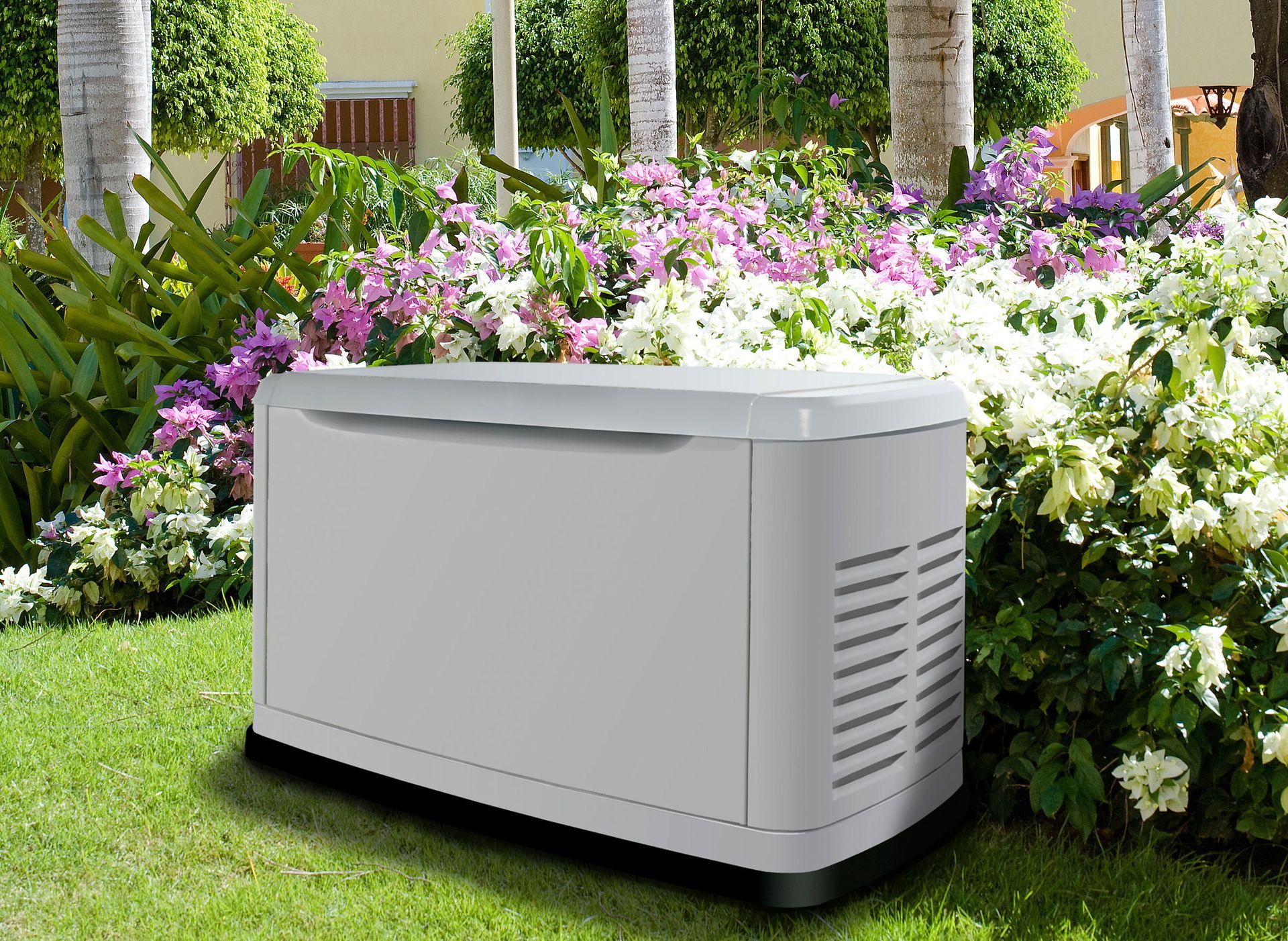
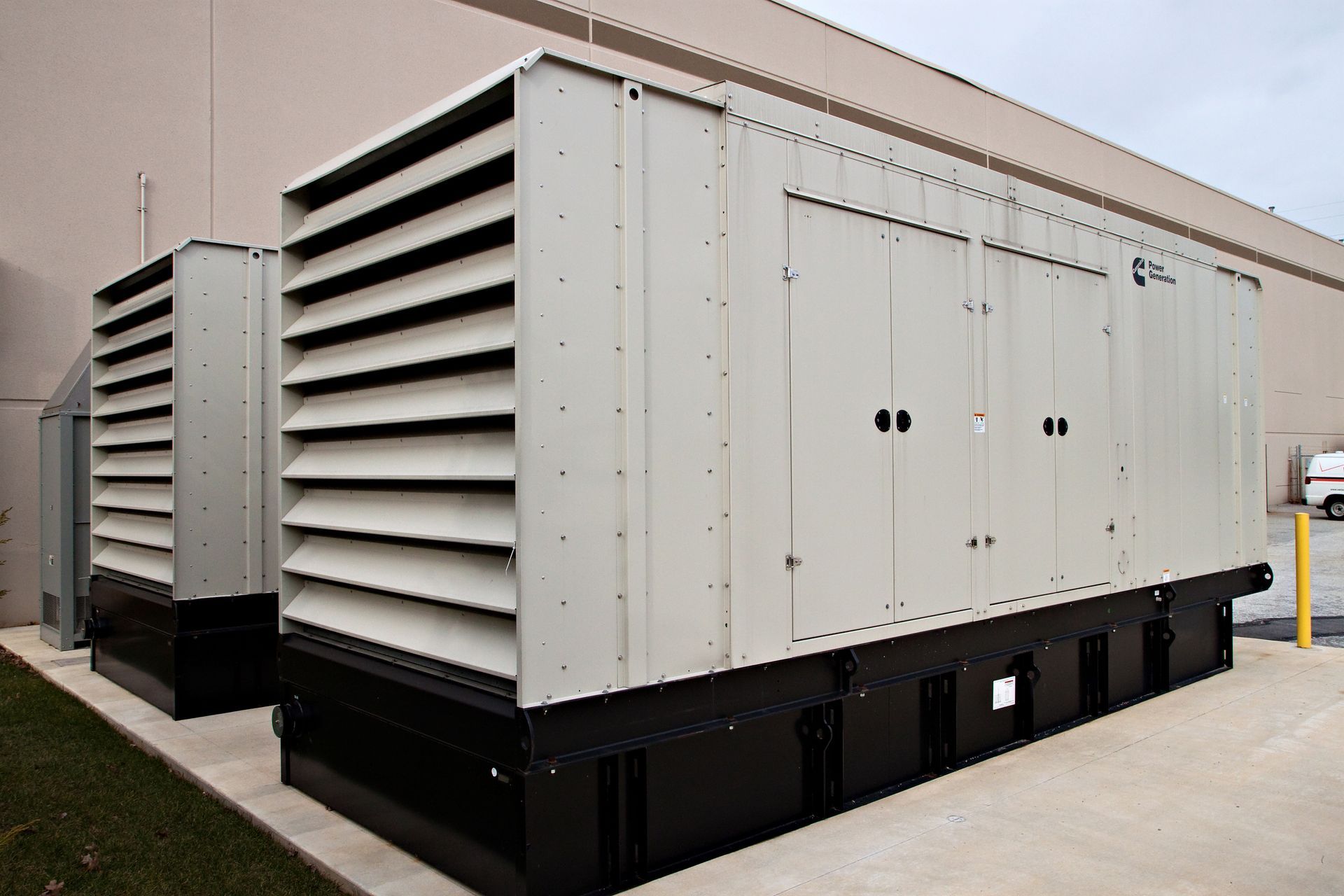
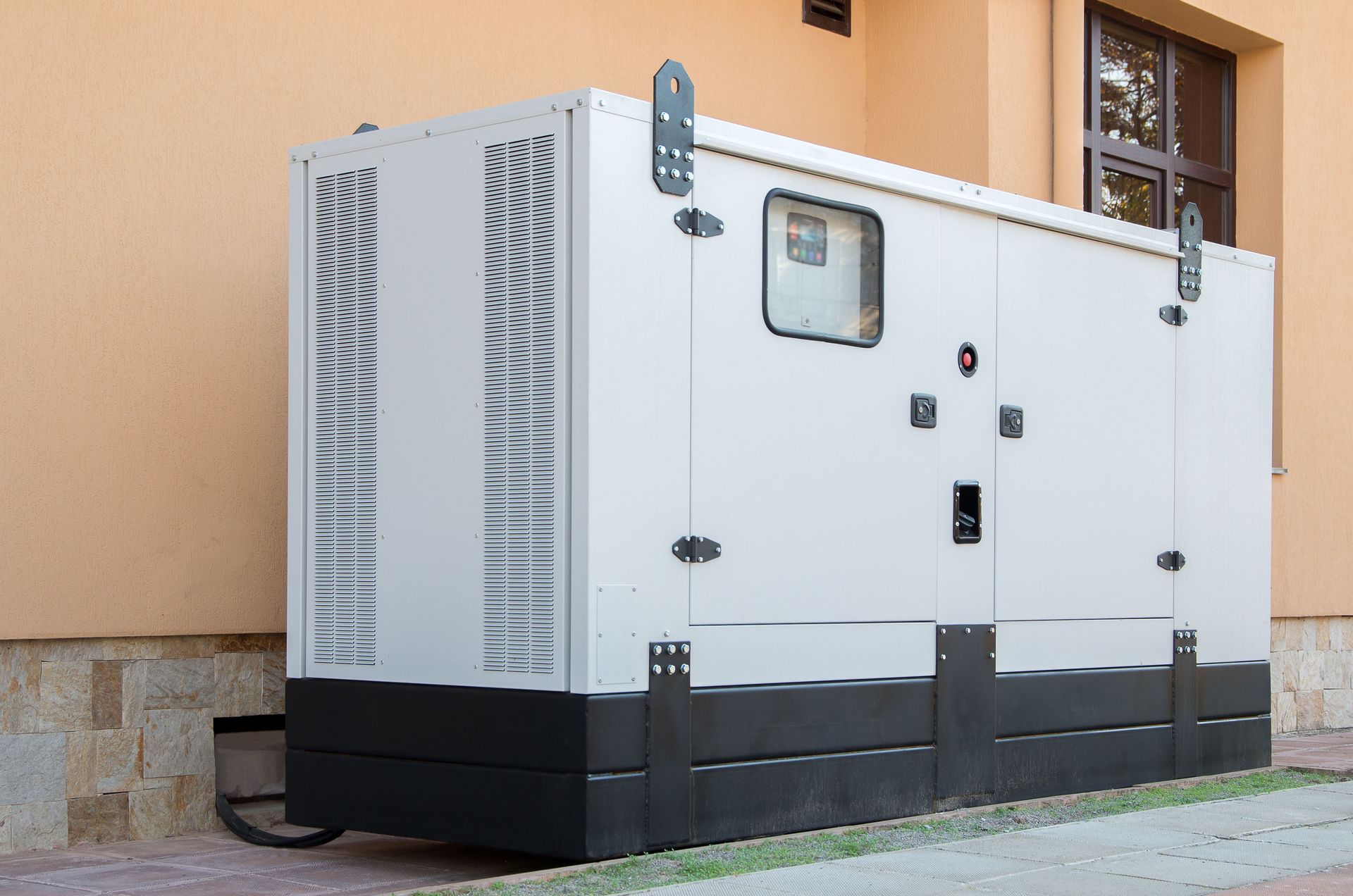
The range of commercial generators available today gives businesses several options for meeting backup power requirements. Diesel and gasoline models are among the most familiar choices, although each has different characteristics. Diesel units are commonly valued for durability and fuel efficiency under demanding operating conditions. Gasoline-powered models may have lower initial costs in certain applications but can involve different storage, maintenance, and fuel-consumption considerations. Evaluating expected runtime, facility size, available fuel, and operating conditions can help narrow the choices and identify equipment suited to the property.
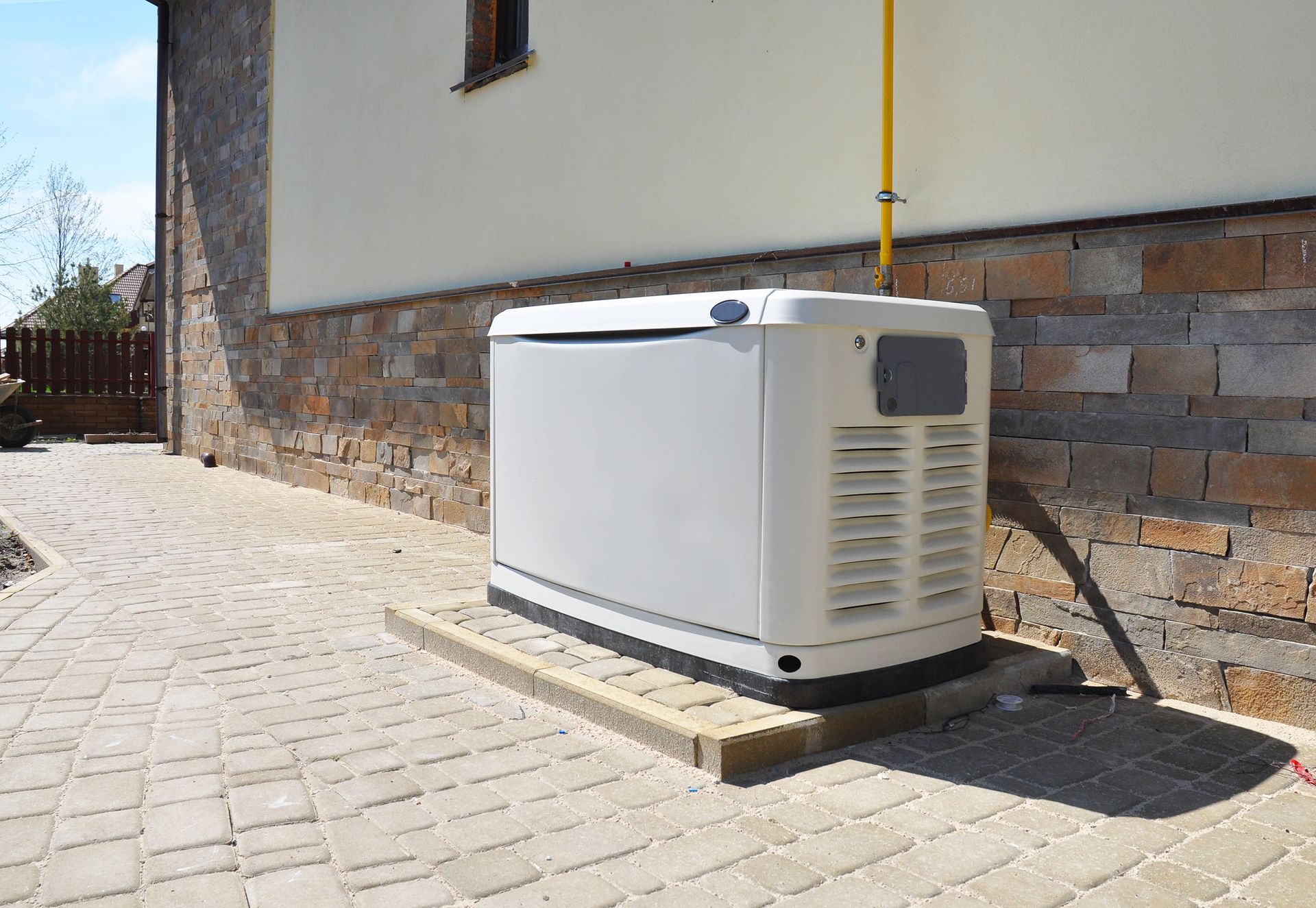
Natural gas systems provide another option for commercial properties. Because they can connect to an existing utility supply, they may eliminate some challenges associated with storing significant quantities of fuel on-site. Natural gas also generally burns cleaner than diesel. However, dependence on a utility pipeline can become a consideration during emergencies in which gas service is disrupted. Installation requirements, local infrastructure, emissions regulations, and expected outage conditions should all be evaluated before selecting a system.
2. Considering Alternative Fuel Configurations
Bi-fuel and dual-fuel equipment can provide additional flexibility by allowing more than one energy source to support operations. Access to multiple fuel options may prove useful when shortages, delivery interruptions, or price changes affect one source. Businesses should also consider whether portable or permanently installed standby equipment is appropriate. Portable systems can support temporary or changing requirements, while standby equipment is designed to remain in a designated location and may automatically activate when utility power fails.
Advances in generator technology have expanded the available configurations. Modern systems may include improved controls, fuel-management features, monitoring capabilities, and components designed to increase efficiency. Comparing these features according to actual operational requirements rather than simply choosing the largest model can help businesses control costs while obtaining appropriate performance.
3. Assessing Facility Power Requirements
Before selecting equipment, businesses should determine how much electrical capacity their facility actually requires. Calculating the combined requirements of equipment, systems, and devices that must remain operational provides a foundation for proper sizing. Both continuous consumption and temporary peak demand should be considered because certain machinery can require substantially more electricity during startup than during normal operation. According to the NFPA, regardless of fuel type, fuel supply needs to be sized to 133% of the fuel required to run the generator for the time required by the class of the system. Accurate calculations help prevent insufficient capacity while reducing the risk of purchasing unnecessarily oversized equipment.
Separating essential loads from non-essential loads can further refine capacity calculations. Emergency lighting, security equipment, refrigeration, critical machinery, communications equipment, and HVAC components may receive priority depending on the facility. Decorative lighting and other nonessential devices may be temporarily disconnected during an outage. This approach allows commercial generators to focus available capacity on systems that are most important for safety and continued operations.
4. Planning for Future Electrical Demand
Current electricity consumption is not the only factor that should influence generator sizing. Businesses expecting expansion, additional machinery, larger facilities, or increased technology use should consider how future changes could affect demand. Selecting equipment without accounting for realistic growth may require costly modifications or replacement sooner than anticipated. Planning for additional capacity can therefore improve long-term flexibility.
Seasonal variations can also influence power requirements. Retail facilities may experience higher electrical loads during busy shopping periods, while warehouses and production facilities could encounter changing equipment demands throughout the year. Buildings in extreme climates may rely heavily on heating or cooling equipment during particular seasons. Reviewing utility records and operational patterns can provide a clearer picture of these fluctuations.
5. Choosing an Appropriate Installation Location
Proper installation is essential for safety, accessibility, and dependable performance. Site selection should account for proximity to the building, electrical connections, fuel sources, maintenance access, drainage, and environmental exposure. Equipment should be positioned according to applicable requirements regarding doors, windows, air intakes, combustible materials, and occupied areas. These considerations help reduce risks associated with exhaust gases, heat, fuel, and noise.
The installation area should also provide technicians with enough room to perform inspections, routine servicing, and repairs. Placing equipment in a difficult-to-access location can complicate maintenance and increase service time. Weather protection, flood risk, landscaping, vehicle traffic, and security should also be evaluated when choosing the final location.
6. Managing Ventilation and Operating Safety
Generators create substantial heat and exhaust during operation, making ventilation an important component of system design. Inadequate airflow can contribute to overheating and reduced performance while potentially creating dangerous conditions. Exhaust must be directed safely away from occupied areas and building openings. Installation should follow manufacturer specifications along with applicable building, electrical, fire, and environmental requirements.
Safety planning should extend beyond initial installation. Employees responsible for facility operations should understand basic procedures, emergency protocols, and warning indicators. Access to equipment may also need to be restricted to trained personnel. Clear operating procedures can reduce confusion during an outage, particularly when employees are already responding to other emergency conditions.
7. Establishing a Preventive Maintenance Program
Routine maintenance is critical because backup equipment must be ready even if it has remained unused for an extended period. Maintenance programs can include inspections of batteries, fluids, filters, electrical connections, fuel systems, belts, cooling components, and control panels. Periodic testing under appropriate conditions can reveal problems before an actual outage occurs. Maintaining detailed service records also makes it easier to track repairs and recurring concerns.
Businesses should understand warranty requirements and service agreements associated with commercial generators. Manufacturer warranties may require servicing at specific intervals, and neglecting these requirements could affect coverage. A professional service agreement can provide scheduled inspections, testing, repairs, and access to qualified technicians. Preventive attention may also help extend equipment life and reduce unexpected failures.
8. Meeting Regulatory and Environmental Requirements
Generator ownership involves more than purchasing and installing equipment. Local electrical codes, building requirements, fire regulations, emissions standards, and permitting rules may apply. Requirements can vary based on generator size, fuel source, facility type, and jurisdiction. Businesses should identify applicable rules before installation so compliance considerations can be incorporated into project planning.
Environmental standards may influence emissions, fuel storage, spill prevention, and operating practices. Noise can also become an important consideration, particularly for facilities near residential neighborhoods, offices, schools, or other sensitive properties. Sound-attenuating enclosures, barriers, and thoughtful placement can help control operating noise. Following applicable requirements can protect employees and neighboring properties while reducing potential compliance problems.
Reliable commercial generators can help businesses maintain critical functions when utility power becomes unavailable, but dependable performance depends heavily on preparation. Careful sizing, appropriate installation, routine maintenance, regulatory compliance, cost planning, and ongoing testing all contribute to an effective system. By examining these considerations before an emergency occurs, businesses can create a backup power strategy that supports safety, continuity, equipment protection, and long-term operational resilience.