November 4, 2026
A power outage can interrupt far more than the lights. Refrigerators stop cooling, internet equipment goes offline, and heating or cooling systems may become unavailable. When outages happen repeatedly or last for hours, homeowners often start considering a backup generator. The right decision depends on how much power the household needs, the frequency of disruptions, and the costs of owning and maintaining the equipment.
A generator is not necessary for every home, and it does not have to power every appliance to be useful. Before scheduling a generator installation, homeowners can assess their priorities, compare equipment options, and learn what safe operation requires. A little planning helps turn an emergency purchase into an informed choice.
Evaluate How Often Power Outages Affect Your Home
An occasional, brief outage may be manageable with flashlights, charged devices, and a plan for food storage. Repeated interruptions or longer outages present different challenges. Consider how often power is lost, how long service usually takes to return, and whether past outages have affected work, accessibility, or household comfort.
Local conditions also matter. Severe storms, falling trees, and utility equipment failures can disrupt service, while some rural properties may experience longer restoration times. Past outages cannot predict exactly what will happen next, but they offer a useful starting point for judging the value of backup power.
Think about the people who live in the home, too. Someone who works remotely may need a router and computer running, while another household may prioritize refrigeration or a sump pump. When electrically powered medical equipment is involved, families should maintain a separate emergency plan with their healthcare team. A generator may take time to start and can fail, so it should not be treated as an uninterrupted medical power supply.
Identify Which Electrical Loads Matter Most
One of the first planning decisions is whether backup power should support a few essential circuits or much of the house. Refrigerator and freezer circuits, lighting, a furnace blower, internet equipment, and certain water pumps may be priorities. Electric ranges, central air conditioners, and other large appliances can demand substantially more power.
According to the Department of Energy, 45% of total home energy consumption goes to electricity and appliances. Although this broad figure highlights household energy demands, it cannot determine the size of a backup generator. That requires looking at the actual electrical loads in a particular home, including the extra power some motors need when starting.
An electrician or qualified installer can help make a realistic list of essential equipment and calculate the required capacity. Homeowners should also consider whether they plan to add major appliances or electrical equipment in the coming years. This information can prevent a generator installation that is too small for important loads or unnecessarily large for the intended use.
Compare Portable and Standby Generator Options
Portable generators can supply temporary power to selected equipment when operated and connected correctly. They often have lower purchase costs than permanently installed standby units, but typically require manual setup, fuel management, and active supervision. Some homeowners use heavy-duty, manufacturer-approved extension cords for suitable devices; others arrange for a properly installed transfer switch or interlock system where permitted.
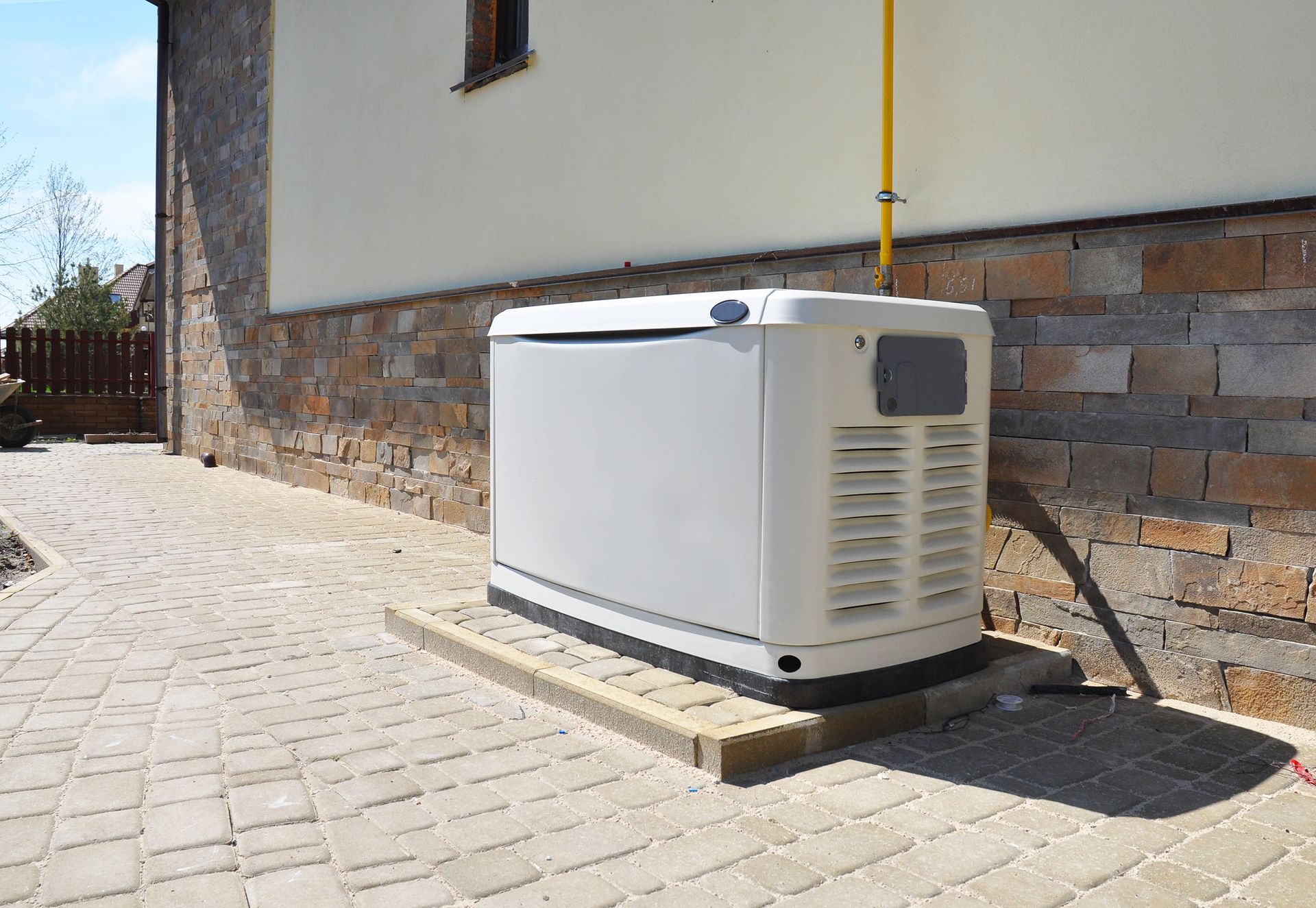
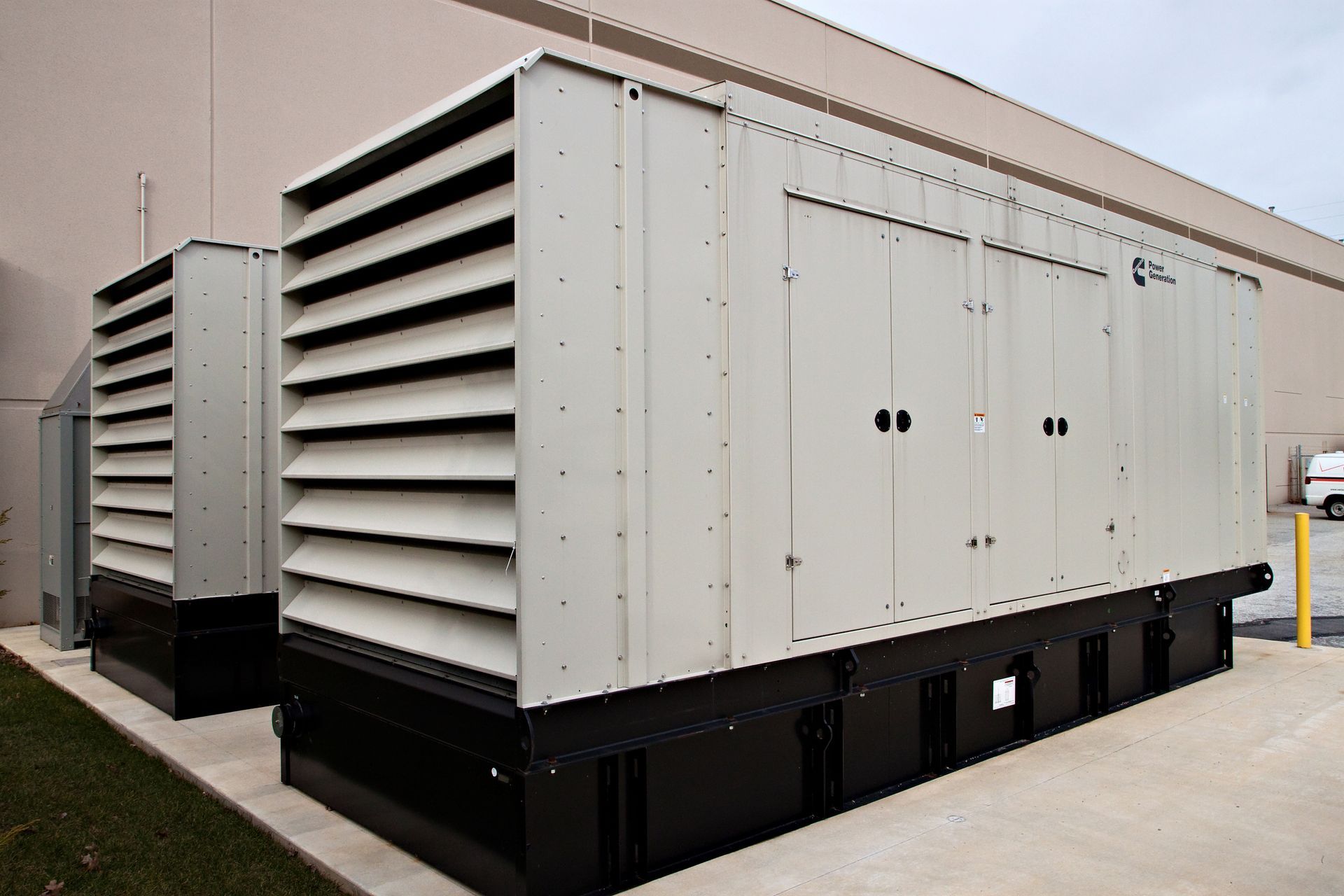
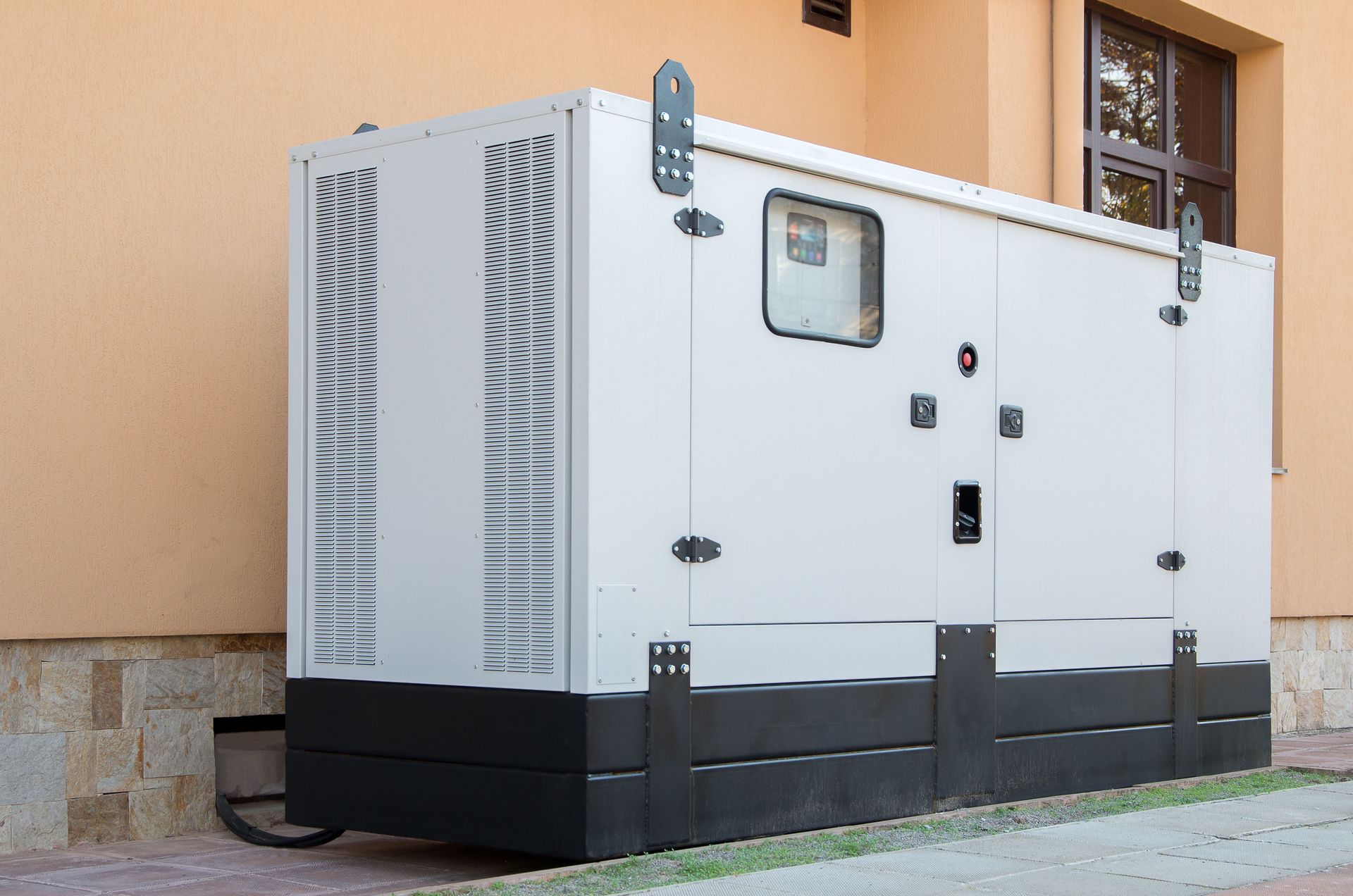
Standby generators are installed outside and connected to a building through appropriate electrical equipment. Many can start automatically after a utility outage and supply designated circuits or, with adequate capacity, a larger portion of the home. They generally involve higher equipment and installation expenses, along with regular servicing.
Fuel availability also shapes the decision. Common options include gasoline, diesel, propane, and natural gas, depending on the generator model. Each has different storage, delivery, and operating considerations. Homeowners should compare expected outage duration, fuel access, noise, and maintenance rather than assuming one design suits every property. A consultation before generator installation can clarify which arrangement fits daily life and the home's infrastructure.
Account for Installation and Ownership Costs
The generator itself is only one part of the budget. A permanent system may require site preparation, a suitable concrete or composite pad, electrical work, a transfer switch, and a fuel connection. Permits and inspections may add costs depending on local requirements. For some homes, electrical panel changes or other upgrades will also be necessary.
Ongoing expenses matter just as much. Fuel use depends on generator capacity, the connected load, and operating time. Routine maintenance can include oil and filter changes, battery checks, and periodic testing, following manufacturer instructions. Repairs and replacement parts should also be considered when assessing long-term affordability.
Backup power may help prevent certain losses, such as spoiled refrigerated food or interrupted home-based work, but it does not guarantee savings or an increase in property value. A useful comparison considers the full ownership cost alongside the inconvenience and risks of outages. Requesting an itemized estimate for generator installation makes it easier to understand what is included and where optional features affect the final price.
Review Placement, Permits, and Safety Requirements
Generator safety begins with proper placement. Fuel-powered equipment produces carbon monoxide, an invisible, potentially deadly gas. Portable generators must never run inside a house, garage, basement, or other enclosed or partially enclosed space, even with doors or windows open. They must be operated outdoors at a safe distance from openings and positioned according to manufacturer and public safety guidance.
Permanently installed units also require appropriate clearance from doors, windows, vents, property lines, and nearby equipment. Local codes, fuel requirements, and manufacturer instructions help determine the acceptable location. Working with qualified professionals is important because an unsuitable location can create exhaust, fire, noise, or service-access problems.
Electrical connections deserve equal care. A generator should never be plugged into an ordinary wall outlet to energize household wiring; doing so can backfeed utility lines and endanger workers and neighbors. Proper transfer equipment isolates the home's backup supply from utility power. Before generator installation, homeowners should ask who will handle electrical and fuel permits, inspections, and commissioning.
Choose an Installer Who Explains the Process
A good contractor should ask questions about the property and the homeowner's priorities before suggesting a model. Useful topics include past outages, available fuel, essential appliances, installation location, and maintenance expectations. Recommendations should be based on the home's actual needs rather than a generic generator size.
Homeowners can compare written quotes and confirm that contractors hold the licenses required for the work in their area. It is helpful to ask who performs electrical connections, who handles fuel work, whether subcontractors are involved, and how inspection requirements will be addressed. Clarify whether the proposal includes startup testing, an explanation of the controls, and instruction on safe operation.
Reviews and referrals can provide additional context, but specific answers about equipment, warranties, scheduling, and support are more valuable than broad assurances. A transparent proposal should identify what happens if site conditions change during the job. Choosing the right partner for generator installation can make future service and troubleshooting easier, not just the initial setup.
Prepare for Maintenance Before the First Outage
Even a properly installed generator needs attention after it is put into service. Batteries can weaken, fluids can deteriorate, and mechanical components may develop problems while the equipment is sitting idle. Following the manufacturer's maintenance and exercise schedule helps reveal concerns before backup power is needed.
Homeowners should learn how to check alerts, recognize operating problems, and understand which tasks require a technician. If the system uses stored fuel, safe storage and fuel-condition guidance are important. Natural gas or propane systems also depend on an adequate, functioning fuel supply, so availability should not be assumed during every emergency.
It is worth keeping a household outage plan alongside the generator instructions. That plan can cover flashlights, charged phones, carbon monoxide alarms, food safety, and alternative arrangements if the equipment does not start. Backup power is most useful when residents know both its capabilities and its limits.
Decide Whether Backup Power Fits Your Needs
A generator can make an extended outage more manageable, but the right investment depends on outage history, essential electrical loads, safety requirements, and total ownership costs. Comparing these factors before purchasing equipment helps avoid unnecessary capacity and unexpected installation work.
Homeowners considering
generator installation can contact Potomac Generator Service & Repair, Inc to discuss their backup power needs and appropriate next steps. A clear assessment provides a practical basis for choosing equipment, planning the work, and preparing for future outages.