October 22, 2026
In today's fast-paced world, the significance of reliable power cannot be overstated. Local generator services play a crucial role in ensuring that both communities and businesses maintain uninterrupted access to electricity. Whether it's a natural disaster cutting off the main power supply or technical faults causing outages, generators are essential in providing backup power.
The global increase in power outages and the rising demand for uninterrupted energy have led to a surge in generator usage. Communities that invest in local generator services often enjoy enhanced safety, security, and economic productivity. As businesses heavily rely on power for operations, having a reliable backup power source ensures that business processes remain unaffected during disruptions.
Furthermore, understanding local generator services helps consumers make informed decisions about installation, maintenance, and repair. This article delves deep into the intricate aspects of generator services, offering insights into types of generators, installation processes, maintenance, and the advantages of opting for local services. By the end of this guide, readers will have a comprehensive understanding of everything pertaining to local generator services.
Understanding Generator Types
Portable Generators
Portable generators are versatile devices commonly used for temporary power supply needs. They are ideal for outdoor events, construction sites, and during emergencies where quick power solutions are necessary. Due to their compact size and mobility, these generators can be easily transported and stored. Despite their smaller capacity compared to larger generators, they are incredibly reliable for short-term usage. However, due consideration must be given to the noise levels and fuel efficiency when using portable generators.
Standby Generators
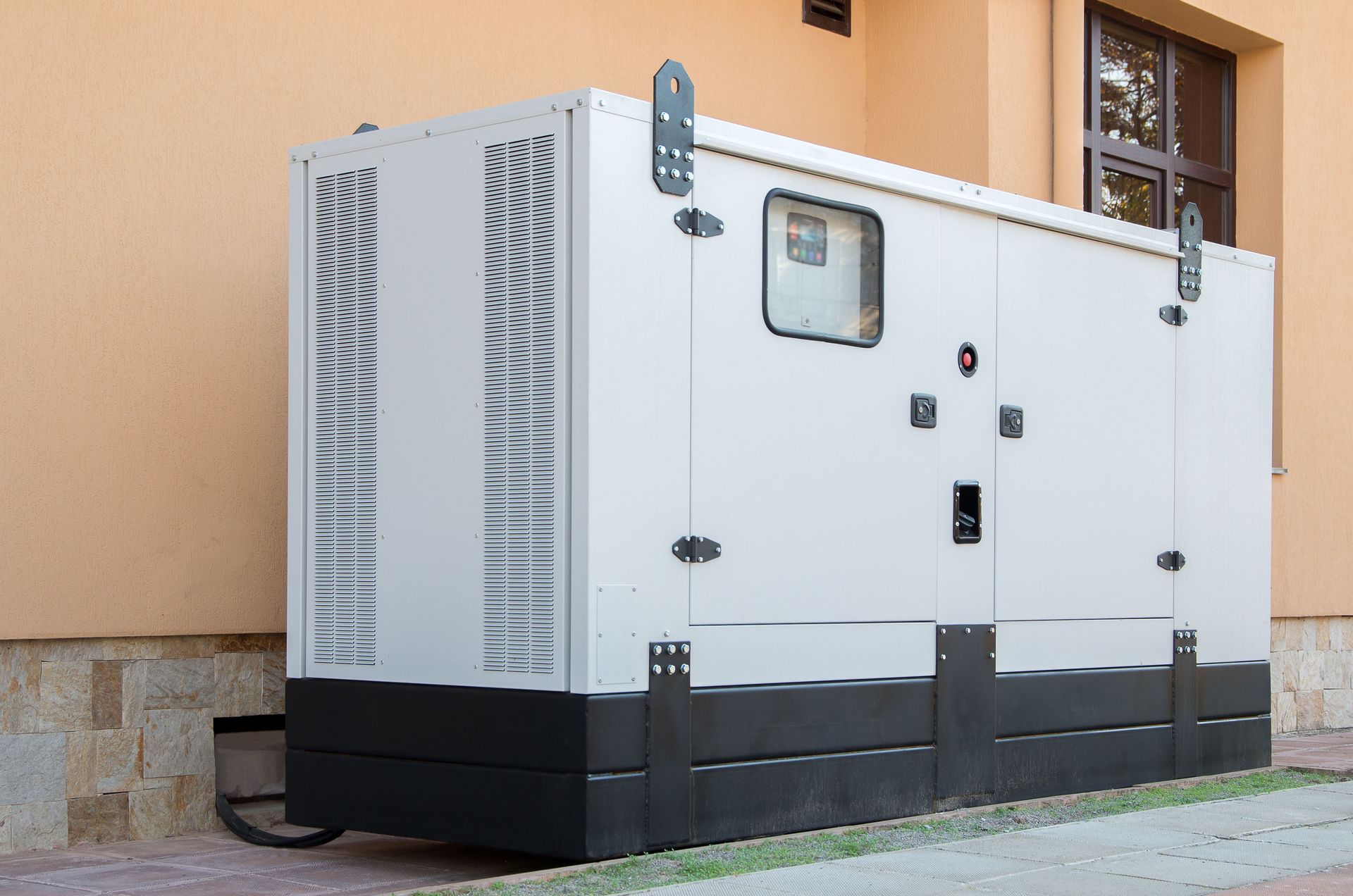
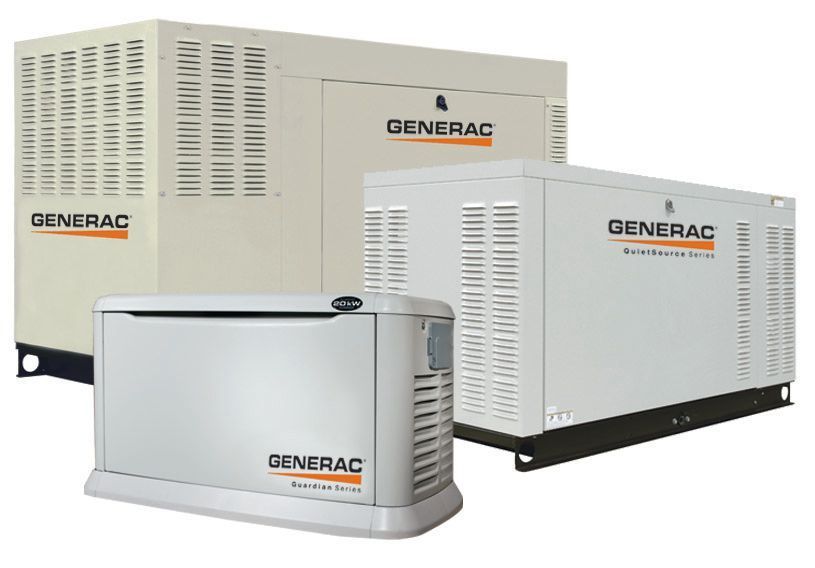
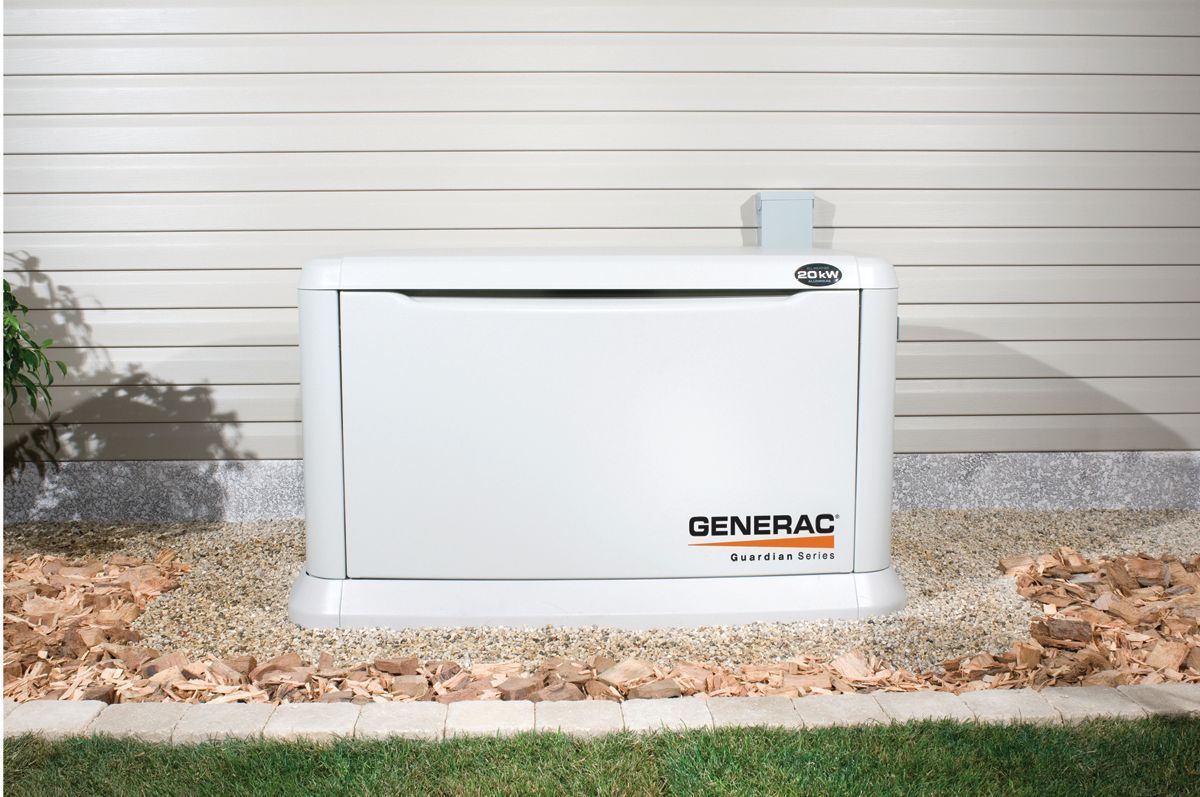
Standby generators are permanent installations that automatically kick in when the main power supply fails. These generators are essential in homes and businesses that require constant power. They are integrated into the electrical system and operate on a continuous fuel supply, either from natural gas or propane tanks. The automatic transfer switch ensures seamless transition and guarantees that there is no noticeable drop in performance during an outage. The primary advantage of standby generators is their ability to provide full power coverage without manual intervention.
Inverter Generators
Inverter generators are a more modern solution that offers clean and stable power output, suitable for sensitive electronics. Not only do they tend to be quieter, but they also offer higher fuel efficiency with the help of advanced technology. These generators are particularly popular for camping, tailgating, and situations requiring less noise pollution. The inverter system adjusts the engine speed based on power demand, leading to reduced fuel consumption and fewer emissions. These features make inverter generators an eco-friendly option for consumers.
Industrial Generators
Industrial generators are significant power units designed to operate on a large scale, often used in manufacturing plants and large facilities. With capacities ranging into megawatts, these generators are capable of powering intensive industrial operations. They ensure that production lines and critical functions remain operational despite power interruptions. The robust construction and design of these generators mean they can withstand demanding conditions and provide long-term reliability. Industries considering these generators must factor in installation space and maintenance requirements.
Choosing the Right Generator
Selecting the appropriate generator requires a thorough understanding of power needs and application environments. For emergency backup in homes, standby generators offer unmatched reliability and convenience. Business owners need to evaluate their power loads to decide between portable, standby, or industrial options depending on operational scale. Additionally, environmental factors such as noise restrictions, emission standards, and fuel availability play a critical role in decision-making. Consulting with experts or local service providers can help identify a generator best suited to specific requirements.
Installation and Setup Process
Site Assessment
A crucial first step in generator installation is conducting a comprehensive site assessment. Evaluating the location helps determine the best spot for installation in terms of accessibility, safety, and proximity to fuel supplies. Placement should also consider factors like space constraints and potential obstructions to airflow and cooling. Professional assessments often include evaluating soil conditions, existing power systems, and compliance with zoning laws. Proper planning during the assessment phase can prevent future operational disruptions and maintenance complications.
Permitting and Legal Requirements
Before installing a generator, securing the necessary permits and adhering to local legal requirements is essential. Regulations vary by region, and misunderstanding or ignoring these rules can lead to fines or mandates to remove the installation. Professionals usually assist in understanding criteria such as noise ordinances, emissions standards, and construction codes. Obtaining permits also typically involves inspections that validate proper installation practices. Adhering to legal requirements ensures safe and compliant generator operations.
Generator Placement
Optimal generator placement is key to maximizing performance, safety, and maintenance convenience. Generators should be placed in well-ventilated areas away from living spaces to minimize noise pollution and exhaust exposure. They must also maintain adequate clearance from walls and structures to allow for airflow and access during servicing. Fuel supply lines and electrical connections should be planned carefully to prevent performance inefficiencies or safety hazards. Proper placement is integral for both operational effectiveness and compliance with safety standards.
Connection to Power Supply
Connecting a generator to a building's power supply requires precision and adherence to safety protocols. Incorrect connections can lead to back-feeding, which poses a danger to utility workers and risks damaging appliances. Automatic transfer switches ensure seamless power transfer without manual intervention. Proper grounding is also vital to prevent electrical hazards. Certified professionals should handle the installation to ensure that electrical codes and safety guidelines are followed meticulously.
Testing and Commissioning
Testing and commissioning the generator after setup is a crucial process that verifies operational readiness. This phase involves a series of checks to ensure all systems function as expected under load conditions. Testing includes starting procedures, load transfers, and safety shutdowns to validate operational parameters. Documentation and training may also be carried out to familiarize users with operations and safety protocols. Regular initial testing guarantees that the generator is prepared to meet power demands during actual outages.
Maintenance and Repair
Routine Maintenance
Routine maintenance is critical in extending the lifespan and ensuring the reliability of a generator. Service intervals typically involve inspecting and replacing filters, checking fluid levels, and ensuring proper battery function. Regularly scheduled tasks might also include tightening connections and inspecting for wear and tear. Lubricating components, checking emission levels, and verifying control systems ensure peak operational performance. A proactive maintenance schedule prevents unexpected breakdowns, ensuring that the generator serves efficiently when needed.
As our dependence on uninterrupted power supply grows, understanding local generator services becomes increasingly important. From selecting the right generator type and managing installation to conducting maintenance and choosing the right service provider, informed decisions ensure efficiency and long-term reliability. In particular, the local dimension offers enhanced response times, community engagement, and tailored solutions, supporting both consumers and local economies. By taking a comprehensive approach, businesses, and homeowners can navigate potential power challenges effectively, confidently securing their operations and well-being.
As the energy landscape evolves, embracing new technologies and renewable generator models provides sustainable alternatives to reduce environmental impact. Engaging local services offers the dual benefit of tapping into expertise while supporting community development, creating a symbiotic relationship enhancing mutual progress. Informed choices empower users to enhance equipment performance, reduce operational risks, and achieve maximum efficiency from their generator investments. Armed with insights from this guide, readers are now better positioned to navigate the world of local generator services with confidence and agility. According to Fortune Business Insights, the U.S. generator sales market was valued at 6.10 billion in 2023. Be sure to reach out to Potomac Generator Service & Repair, Inc today to learn more about our professional local generator services!