November 28, 2026
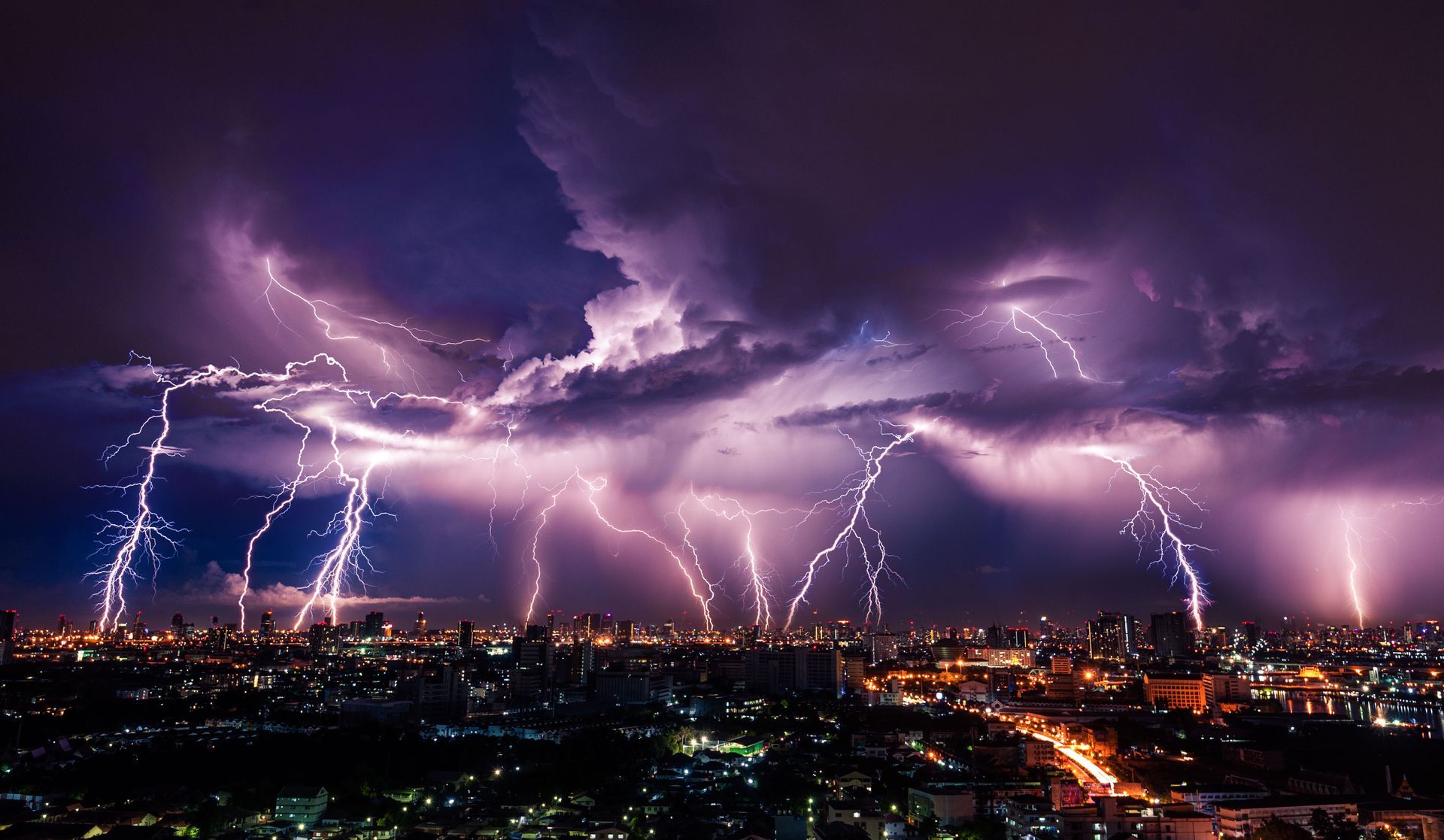
Severe weather can strike Maryland, Northern Virginia, and Washington, DC at any time of year, from summer thunderstorms and hurricane remnants to ice storms and heavy snow. For businesses, a sudden loss of utility power can halt operations, spoil inventory, disrupt data systems, and put employees and customers at risk.
According to the U.S. Energy Information Administration, a natural disaster or weather event left 24.40 million homes across the country without power for 24 hours or longer in 2024. Outages of that length can be just as damaging for commercial properties, which is why a dependable standby generator is so valuable.
However, a generator is only as reliable as the care it receives. Preparing your equipment before storms arrive, and scheduling commercial generator repairs as soon as problems appear, helps your business stay open when the grid goes down. The steps below explain how to get your system storm ready.
Knowing Your Generator's Load Capacity
Every preparedness plan starts with understanding what your generator can actually handle. Begin by listing the critical systems that must stay running during an outage, such as refrigeration, HVAC, security systems, servers, lighting, and life safety equipment. Add up their power requirements, including the extra surge that motors and compressors draw at startup.
If your business has expanded or added equipment since the generator was installed, the unit may no longer match your needs. An overloaded generator works harder, runs hotter, and is more likely to fail when you need it most.
Load bank testing allows a technician to run your generator at its rated capacity under controlled conditions, confirming that it can carry your real load. If testing reveals weak performance, timely commercial generator repairs or a properly sized replacement can close the gap before the next storm. Retesting after major equipment changes keeps your numbers accurate.
Scheduling Your Preventive Maintenance
Routine maintenance is the most effective way to prevent a failure during a storm. A generator that sits idle for months can develop dead batteries, worn belts, degraded hoses, and corroded electrical connections that go unnoticed until the power fails.
A professional preventive maintenance plan includes oil and filter changes, battery testing, coolant checks, lubrication of moving parts, and inspection of the control panel, along with any firmware updates the manufacturer recommends. Fluid analysis can also reveal hidden engine wear or contamination long before it causes a breakdown. For facilities that must meet NFPA 110 requirements, documented inspections and testing are essential for compliance.
Keeping a detailed service log helps you track trends and plan ahead. When maintenance visits uncover worn components, scheduling commercial generator repairs right away keeps small issues from turning into costly emergencies. Spring and fall visits work well ahead of storm seasons.
Managing Your Fuel Supply
A generator cannot protect your business without a dependable fuel source. Commercial units typically run on diesel, natural gas, or propane, and each requires its own planning. Diesel offers stable, durable power but can degrade, absorb water, and grow microbes when stored for long periods.
Natural gas provides a continuous supply but may be affected by line disruptions during major events, while propane requires adequate tank capacity for extended outages. Calculate how much fuel your generator consumes at your typical load and how long you may need to run it.
Use fuel stabilizers when appropriate, test stored fuel regularly for water and sediment, and arrange a reliable refueling agreement with your supplier before storm season. Contaminated fuel can clog filters and injectors, leading to rough operation or shutdowns that require commercial generator repairs at the worst possible time. A clear fuel plan keeps your generator running for days if needed.
Protecting Your Equipment From the Elements
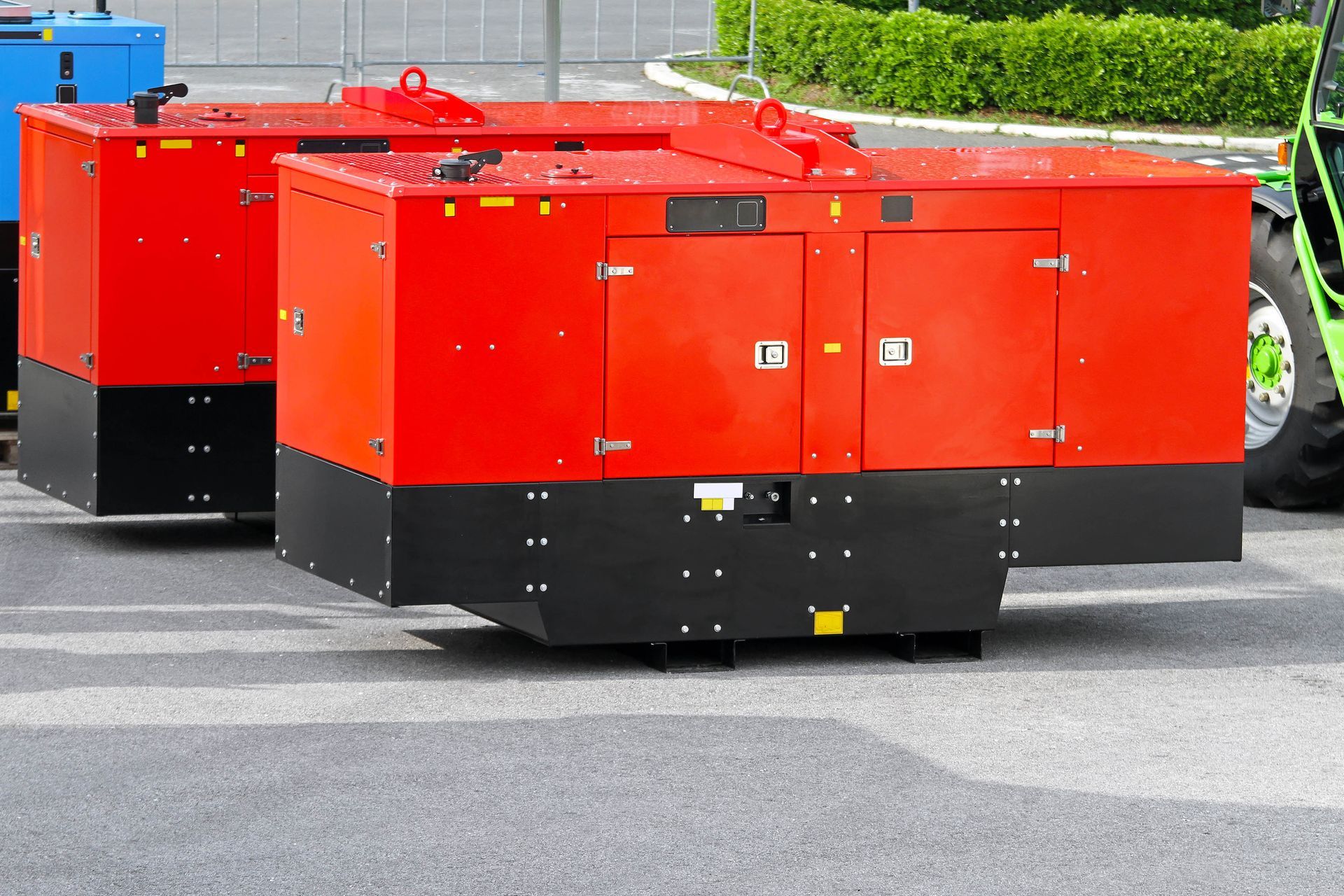
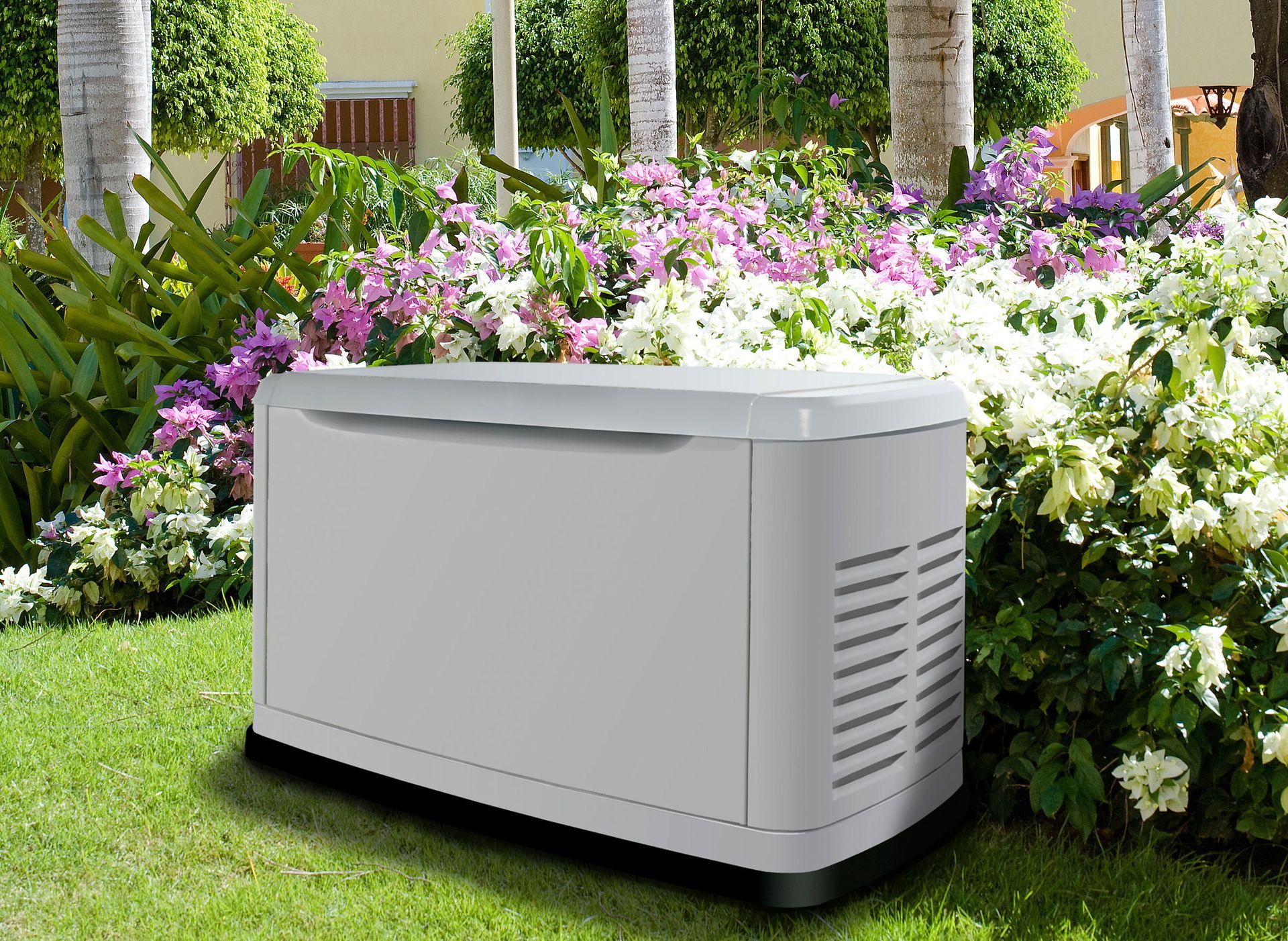
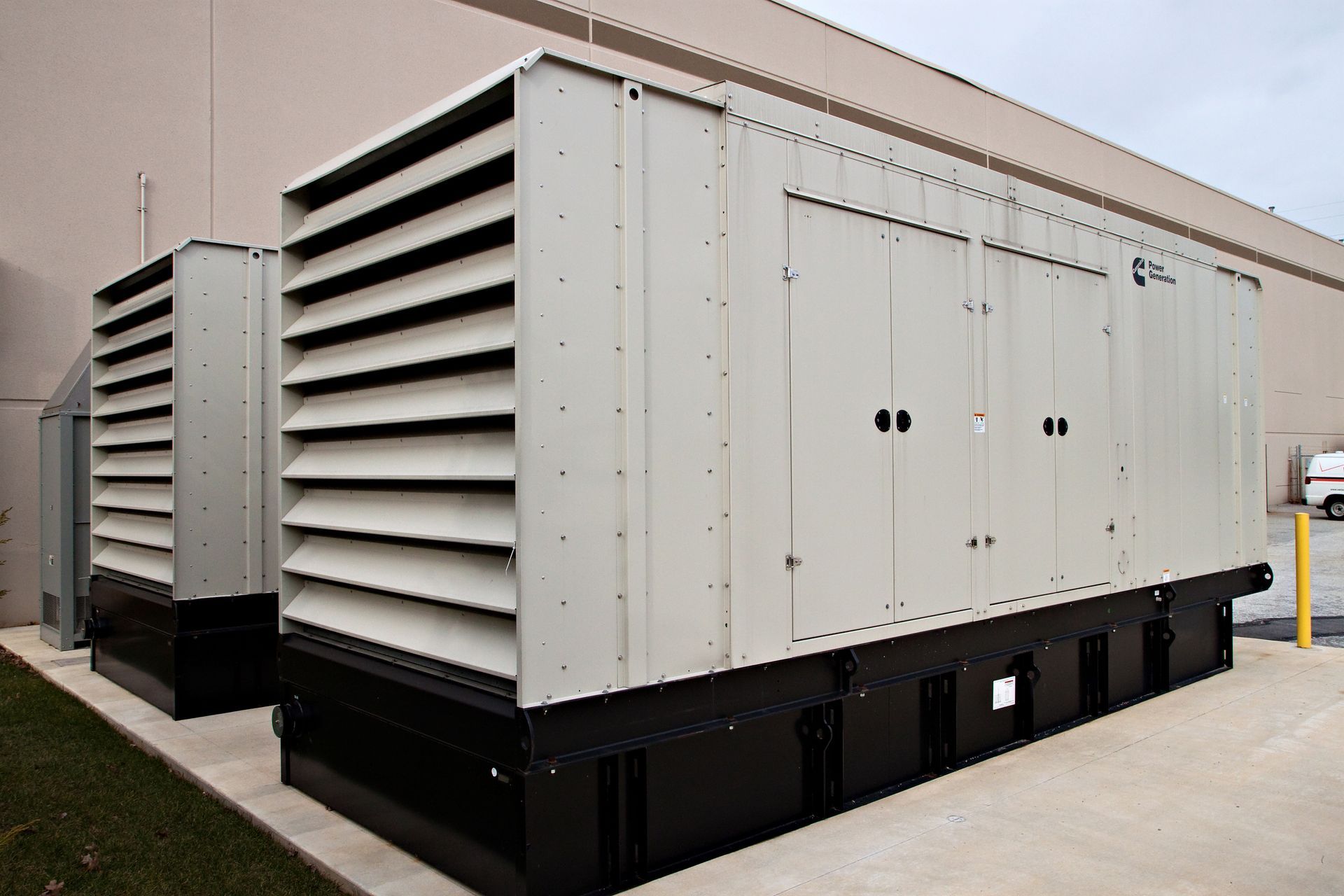
Outdoor generators face wind, rain, snow, flooding, and debris during severe weather. A durable, weather-resistant enclosure made from aluminum or stainless steel helps shield the unit from moisture and physical damage while reducing noise. Inspect door seals, gaskets, and joints regularly to keep water out, and make sure the generator sits on a level, elevated pad above areas prone to standing water.
Proper ventilation is equally important, since enclosures that trap heat can cause overheating during long run times. Keep the area around the unit clear of branches, leaves, and snow so air intakes and exhaust stay unobstructed. Security measures such as locks, fencing, and lighting also deter theft and tampering.
Finally, make sure the enclosure allows technicians easy access, since quick entry speeds up inspections and commercial generator repairs during an emergency. Removable panels and hinged doors make routine service faster and safer.
Training Your Staff for Outages
Even a well-maintained generator depends on people who know how to respond when the lights go out. Train key employees on how your system works, including the role of the automatic transfer switch, how to read the control panel, and which safety protocols to follow. Assign clear roles so everyone knows who monitors the generator, who contacts your service provider, and who communicates with staff and customers.
Run regular drills that simulate a full power loss so your team can practice the transition and identify weak points in your plan. ATS infrared testing can detect overheating connections in the transfer switch before they cause a failure during a real event. Keep emergency contact numbers posted near the generator and the main electrical panel.
A prepared team can spot warning signs early and request commercial generator repairs before a minor fault shuts down operations. Refresher training each year keeps procedures current as staff members change.
Inspecting Your System After the Storm
Once severe weather passes, a careful inspection helps confirm that your generator is ready for the next outage. Look for physical damage to the enclosure, signs of water intrusion, fuel or coolant leaks, and loose or corroded wiring. Check oil, coolant, and fuel levels, and note any unusual noises, smoke, or warning lights that appeared during operation.
Review performance data from the event, including run time, fuel consumption, and load levels, to see whether the system performed as expected. Document everything you find, along with any service performed, for insurance claims and future planning. Use the lessons from each event to update your maintenance schedule and emergency plan.
Prompt commercial generator repairs after a storm restore your system to full readiness and reduce the risk of a breakdown when the next outage strikes. Never assume a generator that ran once will start again.
Keeping Your Business Powered Year-Round
Preparing your commercial generator for severe weather protects more than your equipment. It safeguards your revenue, your data, your inventory, and the people who depend on your business every day. Preparation done today prevents expensive surprises tomorrow.
By confirming your load capacity, staying on top of preventive maintenance, managing your fuel supply, protecting your equipment, training your staff, and inspecting your system after every storm, you build a dependable defense against unexpected outages. Working with experienced technicians at an authorized Generac and Cummins dealer ensures your equipment receives the right parts and expertise, with 24/7 emergency service available when you need help fast.
For expert maintenance, load bank testing, and commercial generator repairs throughout Maryland, Northern Virginia, and Washington, DC, contact Potomac Generator Service & Repair, Inc. today to schedule service and keep your business ready for whatever the weather brings.